Custom Polyurethane
Industrial Heat-Resistant Wheels for Ovens & Sterilization
Project Details
-
- Category Custom Polyurethane
- Author Philson
- WhatsAPP +86 19941574798
- Email sale06@kfqizhongji.com
- Location No.19 Electronic Information Industrial Park, Anfeng Town, Dongtai City, Jiangsu, China
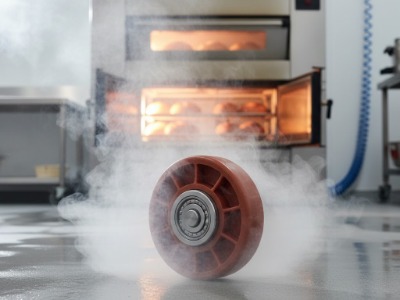
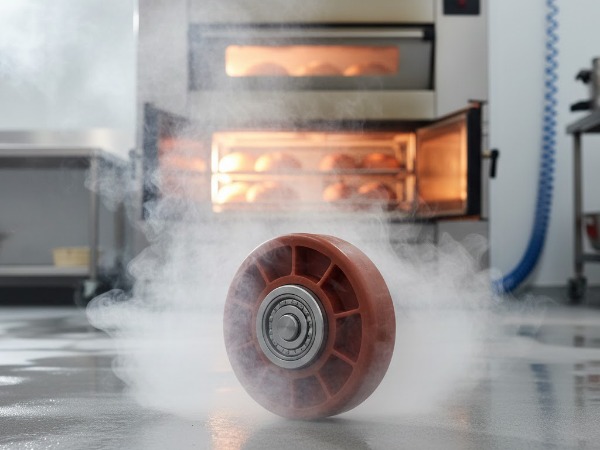
In continuous baking, meat processing, and pharmaceutical steam sterilization, mobility equipment faces strict thermal and operational demands. When ambient temperatures exceed 200°C (392°F), conventional wheel elastomers lose tensile strength, experience dimensional deformation, or undergo material degradation. Selecting purpose-engineered heat-resistant wheels is essential to maintaining production continuity, floor integrity, and operational safety.
Material Formulations for High-Temperature Applications
Selecting the correct wheel material depends directly on operating temperatures, cycle duration, and floor conditions:
Thermoset High-Temp Resin: Manufactured with high cross-link density, thermoset resin wheels maintain high compressive strength under sustained temperatures up to 280°C (536°F). They resist softening and do not release volatile organic compounds or odors, making them suitable for direct food-contact environments.
Reinforced Thermal Polyamide (High-Temp Nylon): Engineering-grade polyamide formulations are optimized to minimize thermal expansion while supporting heavy static and dynamic loads. They offer lower rolling resistance on smooth concrete floors.
High-Temperature Silicone Elastomers: Designed for applications requiring shock absorption and noise reduction, silicone compounds remain resilient across broad temperature fluctuations, protecting sensitive floor coatings from impact damage.
Operating Temperature Ranges & Thermal Performance
High-temperature wheels are rated based on continuous operating limits and short-term thermal exposure:
Continuous Operating Range: High-grade thermoset and specialized polyamide wheels perform reliably in continuous-run tunnel ovens, rack bakeries, and industrial dehydrators without structural breakdown.
Intermittent Peak Exposure: Specialized formulations withstand short-term heat spikes—such as oven door openings, flash heat chambers, or rapid thermal cycling—providing an additional safety margin during process transitions.
Primary Application Environments
Commercial Bakery Oven Racks: In industrial bakeries, rack carts carrying heavy loads must rotate consistently within high-temperature chambers. Heat-resistant wheels maintain precise concentricity and smooth swiveling, preventing floor scuffing and reducing push-pull resistance for operators.
Smokehouse & Food Processing Trolleys: Smokehouses combine high ambient heat with humidity, airborne fats, and cleaning chemicals. Pairing heat-resistant wheel bodies with stainless steel (AISI 304/316) housings prevents corrosion and ensures reliable wheel rotation over extended operational lifecycles.
Autoclaves & Steam Sterilization Carts: In medical, pharmaceutical, and canned food facilities, equipment undergoes high-pressure steam sterilization cycles. Washdown-safe, heat-resistant wheels resist moisture absorption and thermal shock, preventing bearing seizure and material degradation.
Engineering Consultation & Custom Options
If your facility requires custom wheel dimensions, specific bearing configurations, or technical evaluation for extreme thermal environments, contact our engineering team to review your application parameters and receiving tailored technical specifications. Contact us.
Latest News & Blog
Polyurethane (PU) Coating Process for Suspended Monorail Wheels
28 Jul,2026PU-coated wheels are core load-bearing components for suspended monorail transit systems, connecting trains to tracks. Key features: excellent wear resistance, good high-low temperature resistance, and superior elasticity to reduce noise/vibration.
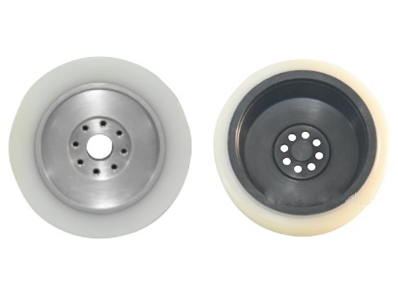
Polyurethane VS Rubber Wheels
21 May,2026Polyurethane and rubber are two commonly used materials in wheel manufacturing, each with distinct characteristics. In contrast, rubber wheel falls short in durability compared to polyurethane.
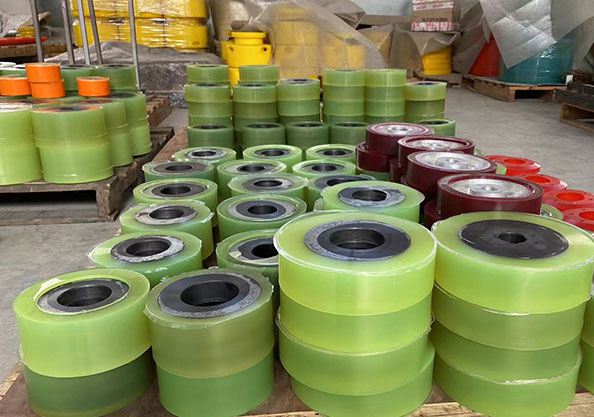
High-Capacity Polyurethane Wheels Unveiled for Extreme Loads
19 May,2026Philson is a leading heavy duty polyurethane wheel manufacturer, offering high-performance PU wheels with superior load capacity, wear resistance, and custom engineering for industrial applications.
Guide to Polyurethane Coating Wheels: Types, Materials & Selection
28 Jul,2026A complete guide to industrial polyurethane coated wheels. Compare drive wheels, guide rollers, core materials, and chemical resistance for heavy loads.