Wheel Block System
DRS Wheel Block for AGVs
Project Details
-
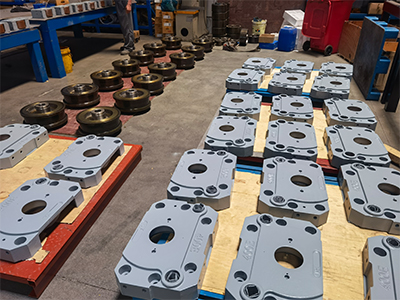
- Category Wheel Block System
- Author Philson
- WhatsAPP +86 19941574798
- Email sale06@kfqizhongji.com
- Location No.19 Electronic Information Industrial Park, Anfeng Town, Dongtai City, Jiangsu, China
The drive wheel block is the critical power assembly that enables movement and steering for Automated Guided Vehicles (AGVs). By integrating power output with motion control systems, it ensures that the vehicle operates accurately and efficiently along its predetermined path.
I. Core Components of a Drive Wheel Block
A typical AGV drive wheel box consists of the following key parts:
Housing: Usually made of ductile iron and precision-machined as a single unit to support and protect internal components.
Bearings and Axles: Used to support the wheels and ensure smooth rotation; the design strength must match the AGV's curb weight and rated load.
Brake: An integrated braking system that ensures the vehicle stops safely and accurately at designated positions.
Motor: The power source. Common types include Brushed DC, Brushless DC, AC induction, and Servo motors. Selection depends on power requirements, operating speed, efficiency, and control precision.
Gearbox (Reducer): Converts the motor's high speed into low speed while increasing torque to provide the necessary traction.
Encoder: Provides real-time feedback of wheel position and speed data to the control system, forming the foundation for high-precision navigation and positioning.
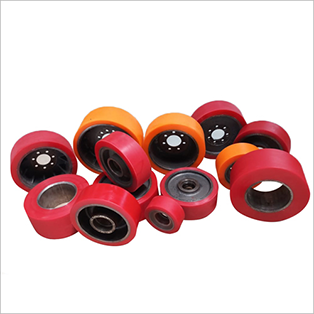
Wheel: The core component in contact with the ground. Depending on the load and floor material, these are typically made of polyurethane, rubber, or steel.
II. Factors for Selection
When configuring a drive wheel box for an AGV, the following technical indicators must be comprehensively evaluated:
Load Capacity The wheel box must be capable of supporting the combined weight of the vehicle's self-weight and its maximum effective payload.
Floor Material Surface conditions directly affect the wheel's traction, friction coefficient, and wear rate.
Speed and Acceleration Requirements Based on the AGV's operational cycle, determine the motor and gearbox combination required to achieve the necessary top speed and acceleration/deceleration performance.
Precision and Control Needs Higher positioning accuracy requirements lead to a greater dependency on servo motors and high-resolution encoders.
Durability and Maintenance Cycle Components should be selected based on operational intensity to meet expected service life and ensure a maintenance-friendly design.
System Compatibility The drive wheel box must achieve seamless integration with the AGV's control circuits, drivers, and navigation software.
III. Conclusion
Through the rigorous screening of the factors mentioned above, one can ensure that the drive wheel box delivers optimal performance stability and operational reliability within specific application scenarios.
Contact Us For selection advice or detailed specifications regarding drive wheel boxes for specific AGV designs, please contact our engineering and technical department.
Latest News & Blog
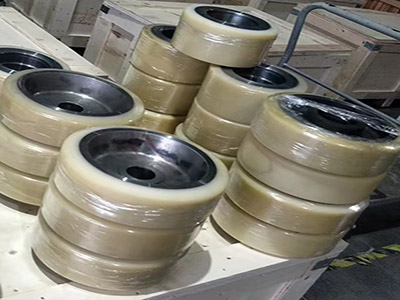
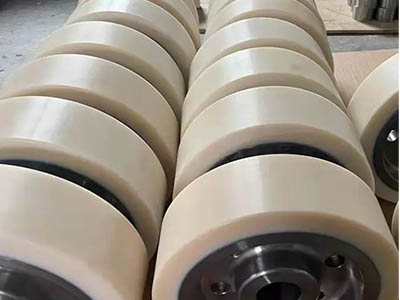
Modified Polyurethane Wheels: The Choice for Heavy-Duty Industrial Applications
03 Aug,2026Explore the science behind high-performance modified polyurethane wheels. Maximize industrial efficiency, load capacity, and equipment lifespan with custom solutions.
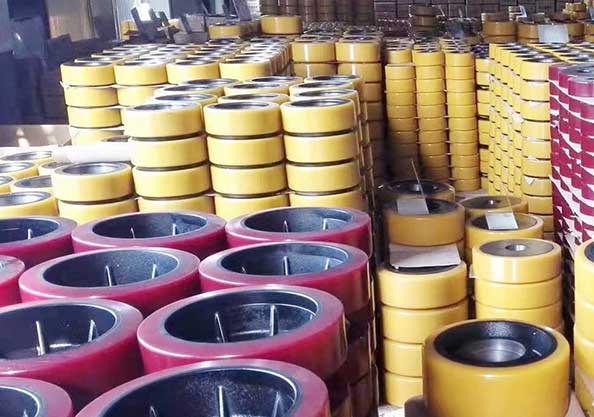
How Anti-Coning Load Wheels Extend Forklift Lifespan
03 Aug,2026Prevent forklift tire coning and reduce maintenance costs with advanced anti-coning sectional load wheels. Engineered for high-intensity warehousing fleets.
Polyurethane Forklift Wheels: The Ultimate Guide
03 Aug,2026Polyurethane forklift guide wheels manufactured at our state of the art in-house machine shop are made from first-class polyurethane materials purchased from globally renowned chemical producers.
Polyurethane Wheels on Trucks: A Key Choice
03 Aug,2026Discover why heavy-duty polyurethane wheels are the top choice for industrial trucks and logistics. Explore key benefits like durability, load capacity, and chemical resistance.