Wheel Block System
DRS Wheel Block Series Load Range Comparison
Project Details
-
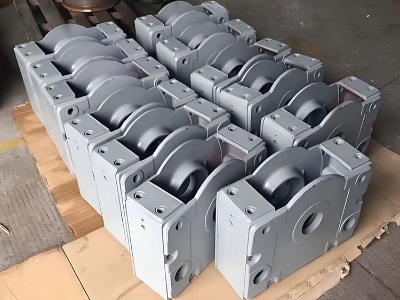
- Category Wheel Block System
- Author Philson
- WhatsAPP +86 19941574798
- Email sale06@kfqizhongji.com
- Location No.19 Electronic Information Industrial Park, Anfeng Town, Dongtai City, Jiangsu, China
DRS wheel block systems are essential components in systems that transport or move heavy equipment—cranes, transfer cars, monorails, presses. Below is a comparison of the major types of wheel blocks and how they differ in load capacity and related design trade-offs.

1. Key Wheel Block Types & Their Capacity Ranges

These are among the heaviest-load options; used in extreme duty; designed for installation ease / replacement even without special tools.
2. Design Trade-Offs & What Influences Capacity
Here are the things to consider:
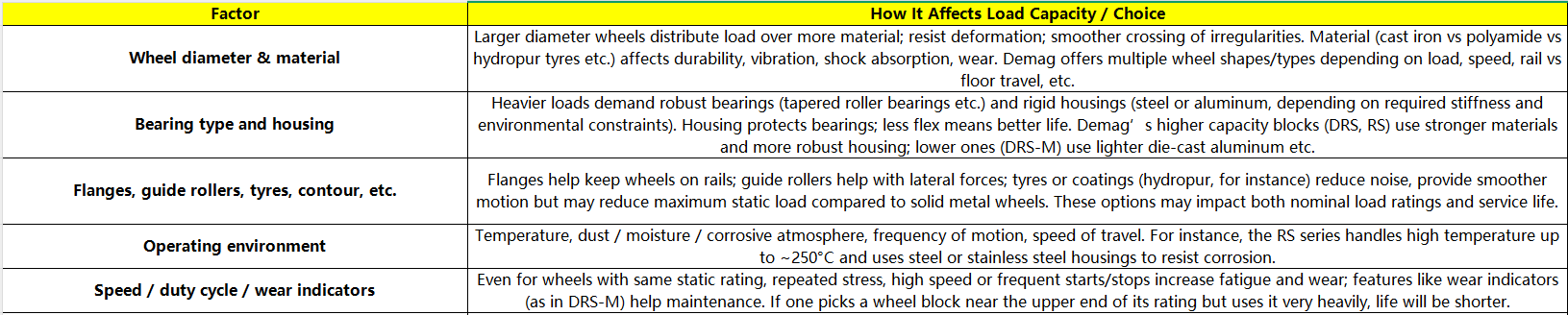
3. Typical Use Cases & Matching Block Types
Here are examples of matching requirements with the appropriate wheel block type:
Light transferred loads, slower speeds, indoor applications → LRS or smaller DRS-M sizes. Good when budget, weight, and ground clearance are more constrained.
Moderate loads, more frequent travel, higher reliability needed → mid-range DRS-M (or small DRS) sizes.
Heavy loads, high duty cycles, structural rigidity, potential side loads / impact → full DRS series, possibly RS if environment harsh or temperature extremes.
Extreme loads / very heavy-duty / high temperature / chemical / abrasion → RS or DWS series depending on the capacity and environment.
4. Summary & Guidelines for Selection
If your load per wheel is < ~10 tonnes, chances are a DRS-M block will suffice, with savings in weight and possible cost.
For loads between ~16 to 40 tonnes, DRS blocks are more appropriate.
If you expect harsh environments (heat, corrosive materials, etc.), RS series (steel/stainless housing) may be needed even if your load isn’t maximal.
For ultra heavy loads or special conditions (very large travel spans, dynamic loads, extreme wear, etc.), consider DWS sets or specialised DRS/RS configurations.
Always factor in not just static load but dynamic loads, safety factors, frequency of use, speed, alignment, and maintainability.
Latest News & Blog
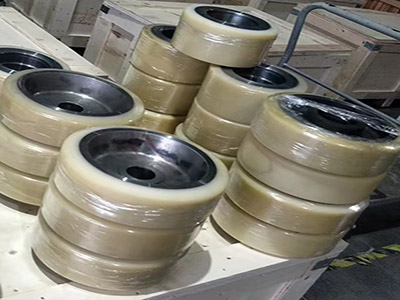
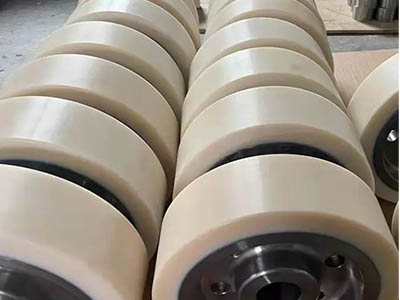
Modified Polyurethane Wheels: The Choice for Heavy-Duty Industrial Applications
03 Aug,2026Explore the science behind high-performance modified polyurethane wheels. Maximize industrial efficiency, load capacity, and equipment lifespan with custom solutions.
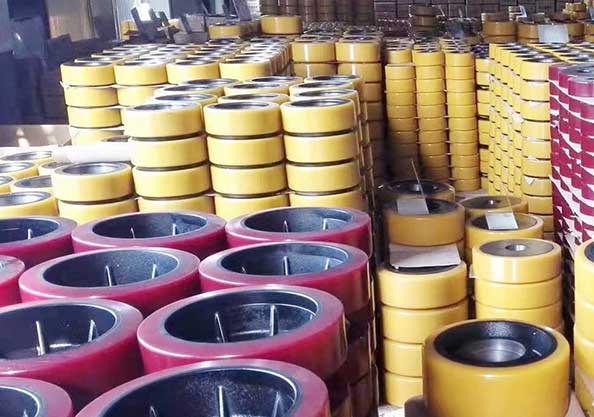
How Anti-Coning Load Wheels Extend Forklift Lifespan
03 Aug,2026Prevent forklift tire coning and reduce maintenance costs with advanced anti-coning sectional load wheels. Engineered for high-intensity warehousing fleets.
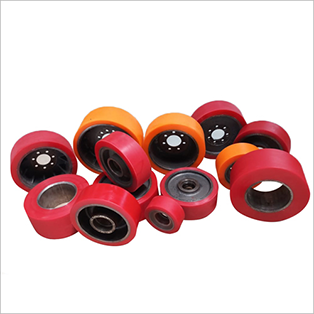
Polyurethane Forklift Wheels: The Ultimate Guide
03 Aug,2026Polyurethane forklift guide wheels manufactured at our state of the art in-house machine shop are made from first-class polyurethane materials purchased from globally renowned chemical producers.
Polyurethane Wheels on Trucks: A Key Choice
03 Aug,2026Discover why heavy-duty polyurethane wheels are the top choice for industrial trucks and logistics. Explore key benefits like durability, load capacity, and chemical resistance.