Heavy Duty Polyurethane Wheels
Polyurethane (PU) Rollers for Welding Rotators
Project Details
-
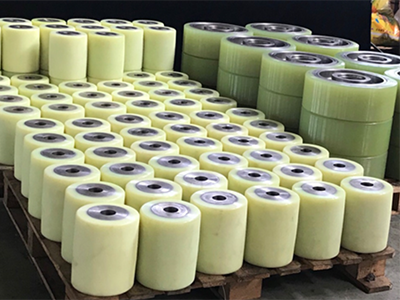
- Category Heavy Duty Polyurethane Wheels
- Author Philson
- WhatsAPP +86 19941574798
- Email sale06@kfqizhongji.com
- Location No.19 Electronic Information Industrial Park, Anfeng Town, Dongtai City, Jiangsu, China
In modern industrial manufacturing and heavy fabrication, the quality of circumferential welding on pipes, pressure vessels, and tanks heavily relies on the stability of the handling equipment. Polyurethane rollers for welding rotators have become the industry standard for driving and supporting metal cylinders. Combining high load-bearing capacity with exceptional surface protection, these rollers ensure smooth rotation and flawless weld seams.
Advantages of Polyurethane for Welding Rotator Wheels
When handling heavy metal pipes and vessels, selecting the right roller material is critical. Traditional steel or cast-iron rollers can scratch, dent, or deform the workpiece surface, while standard rubber rollers may degrade quickly under heavy loads and high frictional heat.
Polyurethane (PU) offers the ideal balance of mechanical strength and elasticity:
High Load Capacity: Polyurethane compounds can support extreme loads without permanent deformation, making them suitable for heavy-wall industrial pipes and large-diameter vessels.
Non-Marking Surface Protection: The resilient nature of polyurethane prevents metal-on-metal contact, safeguarding sensitive materials such as stainless steel, alloy steels, and coated pipes from surface marring.
Superior Wear and Tear Resistance: PU wheels exhibit high resistance to abrasion, cutting, and chipping, ensuring a long operational lifespan even in harsh shop-floor environments.
Enhanced Traction: The high coefficient of friction provided by polyurethane guarantees stable, slip-free rotation during automated welding processes.
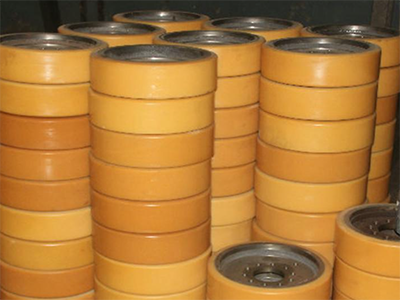
Key Applications of PU Rollers for Welding Rotators
Welding rotators (also known as turning rolls) equipped with polyurethane rollers are widely utilized across demanding sectors:
Pipe Spool Fabrication: Ensuring consistent rotational speed for automated TIG, MIG, or submerged arc welding (SAW).
Pressure Vessel and Tank Production: Supporting large cylindrical shells during continuous longitudinal and circumferential seam welding.
Offshore and Marine Engineering: Handling corrosion-resistant alloy piping and structural components that require strict surface integrity.
Customization
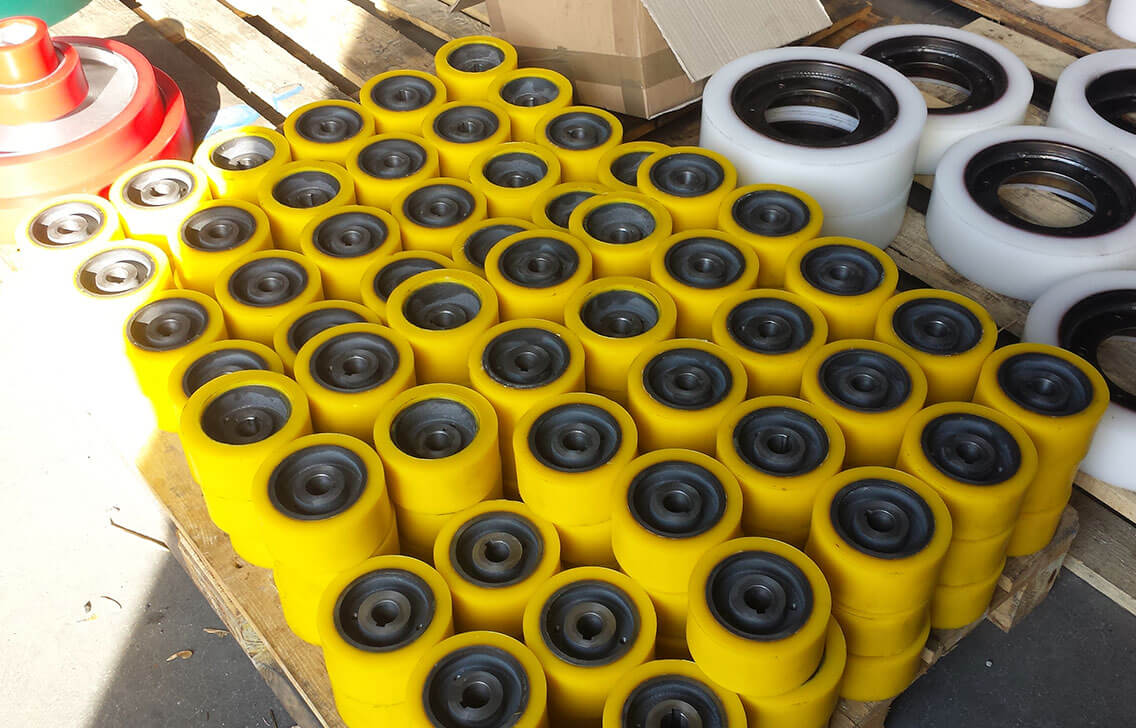
To maximize performance, high-quality polyurethane wheels for welding rotators are typically engineered with a robust metallic core (such as high-strength steel) bonded securely to a precision-molded polyurethane tread.
Durometer Options: Hardness levels can be customized to balance load-bearing rigidity with surface compliance.
Precision Machining: Tolerances are tightly controlled to ensure concentricity, preventing vibration or speed fluctuations during rotation.
By upgrading to heavy-duty polyurethane rollers, fabrication shops can significantly reduce workpiece rejection rates, minimize maintenance downtime, and achieve superior weld quality. Contact us.
Latest News & Blog
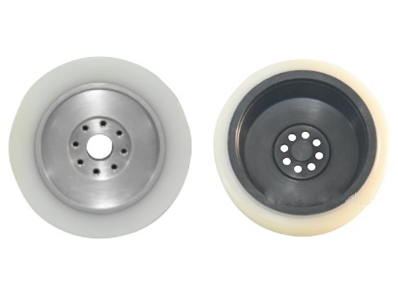
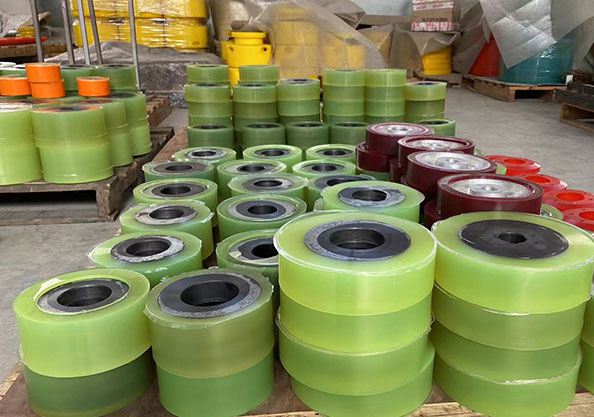
High-Capacity Polyurethane Wheels Unveiled for Extreme Loads
19 May,2026Philson is a leading heavy duty polyurethane wheel manufacturer, offering high-performance PU wheels with superior load capacity, wear resistance, and custom engineering for industrial applications.
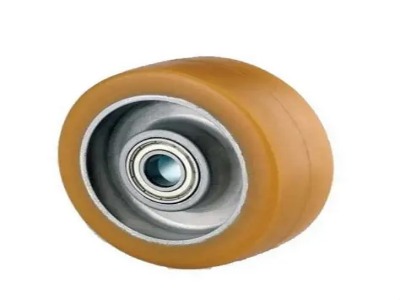
The Strategic Advantages of Polyurethane Coated Wheels
19 May,2026Polyurethane coated wheels deliver high load capacity, wear resistance, shock absorption, and ESD safety for smart logistics (AGV/AMR), automated manufacturing, and specialized heavy environments.
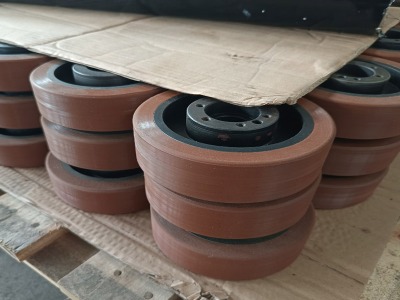
How to Save 20% on Forklift Maintenance
22 Apr,2026Learn the "10% Rule" for forklift load wheel replacement to improve warehouse safety and cut maintenance costs by 20%.
Polyurethane VS Rubber Wheels
21 May,2026Polyurethane and rubber are two commonly used materials in wheel manufacturing, each with distinct characteristics. In contrast, rubber wheel falls short in durability compared to polyurethane.