Modified Polyurethane Wheels: The Choice for Heavy-Duty Industrial Applications
This material is engineered from proprietary modified polyurethane, redefining durability, load capacity, and operational efficiency, and outperforming standard polyurethane and rubber alternatives in the market. This article explores why these wheels are the preferred choice for engineers, equipment manufacturers, and operators prioritizing long-term reliability and performance.
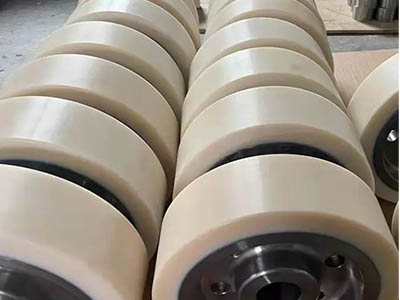
What Is High-Performance Modified Polyurethane? The Science Behind the Superiority
This is not ordinary polyurethane—it is a high-performance modified polyurethane elastomer developed through a specialized production process that optimizes its molecular structure and additive composition. Unlike generic polyurethane, which balances cost and basic functionality, it is engineered for extremes:
Molecular Precision: A unique isocyanate-based formulation creates a dense, cross-linked polymer network, delivering 3x higher wear resistance than standard polyurethane and 10x greater durability than rubber in heavy-load applications.
Enhanced Physical Properties: The modification process amplifies key characteristics critical for industrial use:
Unmatched Load Capacity: With a shore hardness range of 85–95 Shore A (adjustable), these wheels handle point loads up to 80 kg per wheel (for Ø120–Ø600 mm standard sizes) and maintain structural integrity under dynamic stress.
Exceptional Resilience: Retains elasticity even after repeated compression, reducing vibration transfer and extending equipment lifespan.
Chemical & Environmental Resistance: Resists oils, greases, solvents, and temperature extremes, outperforming rubber in corrosive or fluctuating environments.
Core Advantages of High-Performance Polyurethane Wheels
These wheels deliver a suite of performance benefits that directly translate to operational efficiency and cost savings:
1. Industry-Leading Wear Resistance: Specialized surface treatment and cross-linked polymer structure minimize tread wear, even on abrasive surfaces. In warehouse forklift tests, these wheels lasted 50% longer than standard polyurethane alternatives, cutting replacement frequency and downtime.
2. High Load-Bearing & Impact Resistance: Designed for heavy loads, these wheels support up to 80 kg per wheel and absorb shock from uneven terrain or sudden stops. This makes them ideal for heavy-duty equipment like stackers, transporters, and automated guided vehicles (AGVs) in manufacturing and logistics.
3. Low Noise & Vibration Dampening: The elastomeric properties reduce operational noise by 20–30% compared to metal or hard rubber wheels, creating safer, more compliant work environments. Vibration dampening also protects sensitive equipment from damage.
4. Chemical & Temperature Tolerance: Resistant to oils, greases, and most industrial chemicals, these wheels thrive in chemical processing plants, food and beverage facilities, and outdoor applications exposed to extreme temperatures.
5. Versatile Terrain Adaptability: From smooth factory floors to rough construction sites, these wheels maintain traction and stability. Their elasticity conforms to minor surface irregularities, reducing slippage and improving maneuverability in complex environments.
6. Customization for Unique Needs: Beyond standard sizes (Ø120 mm–Ø600 mm), we offer bespoke wheel solutions tailored to your equipment’s specifications. Whether you need custom diameters, tread profiles, or mounting configurations, we manufacture to your exact drawings—eliminating the limitations of off-the-shelf components.