Heavy Duty Polyurethane Wheels
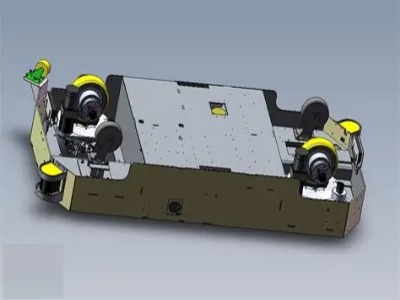
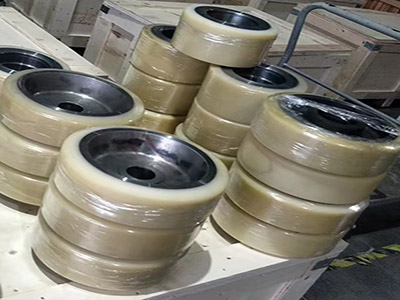
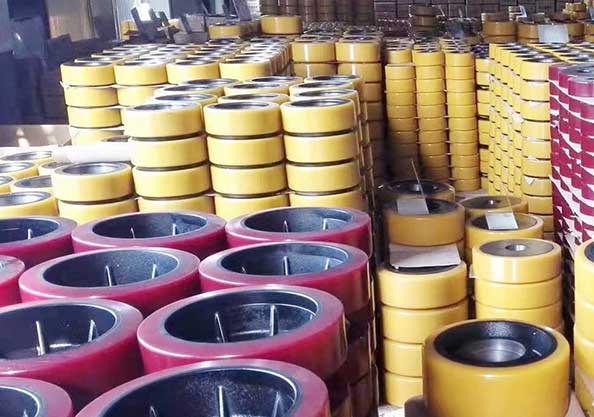
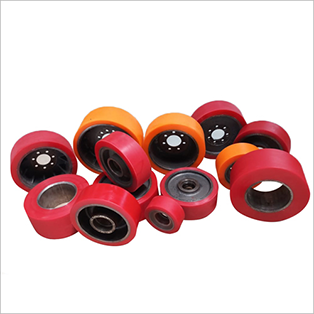
Polyurethane Coated AGV Drive Wheels
Project Details
-
- Category Heavy Duty Polyurethane Wheels
- Author Philson
- WhatsAPP +86 19941574798
- Email sale06@kfqizhongji.com
- Location No.19 Electronic Information Industrial Park, Anfeng Town, Dongtai City, Jiangsu, China
Polyurethane coated AGV drive wheels are high-performance traveling components specifically designed for Automated Guided Vehicles (AGVs) and Autonomous Mobile Robots (AMRs). Through material innovation and structural design, they significantly enhance the operational efficiency, stability, and maintenance convenience of heavy-duty AGVs in industrial scenarios.
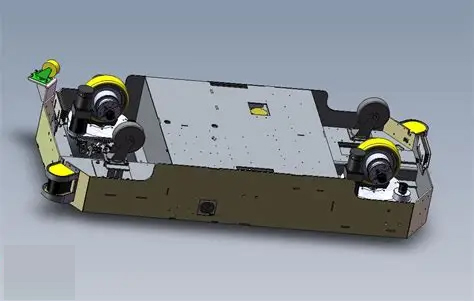
Below is a technical analysis of how these polyurethane coated drive wheels optimize automated material handling across four core aspects.
Key Advantages: Breakthroughs in Performance and Efficiency
1. High Load Capacity and Wear Resistance
The polyurethane coating offers a hardness range of Shore A 75-90, providing a load-bearing capacity **7 times higher** than natural rubber and 3-5 times higher wear resistance under the same dimensions. In automated warehousing environments where AGVs require frequent start-stop operations, polyurethane wheels exhibit a wear rate only 1/5 that of rubber wheels, with a service life exceeding 5 years.
2. Shock Absorption, Noise Reduction, and Precision Positioning
Polyurethane elastomers absorb over 90% of ground vibrations, resulting in an operational noise level below 55 decibels—ideal for cleanrooms and hospital operating rooms. Additionally, the low rolling resistance improves AGV positioning accuracy by 30%, ensuring precise navigation in narrow aisles.
3. Chemical Resistance and Antistatic Properties
Polyurethane materials demonstrate strong resistance to industrial oils, lubricants, acids, and alkalis. Furthermore, their antistatic performance eliminates frictional sparks, making them essential for flammable, explosive, or sensitive electronics manufacturing environments.
Structural Features: Modular and Reliable Design
Dual-Hardness Composite Layer Structure:The wheel adopts a composite design with an outer layer (Shore A 85-90 for high wear resistance) and an inner layer (Shore A 65-70 for shock absorption). In logistics sorting centers, the hard outer layer resists scratches from metal debris, while the soft inner layer cushions emergency stops.
Anti-Slip Groove and Wheel Flange Design:The wheel surface features a diamond-shaped closed-groove structure with an optimized drainage angle of 135°, ensuring an anti-slip coefficient ≥ 0.75 on wet surfaces. The wheel flange maintains close contact with guide rails, guaranteeing stability at high speeds (e.g., 1.5 m/s).
Precision Manufacturing & Customization
To ensure the longevity of polyurethane coated AGV drive wheels, precision bonding between the polyurethane tread and the metal core (cast iron, steel, or aluminum) is critical:
Advanced Degreasing & Sandblasting:Ensures zero delamination between the core and the PU coating under high torque.
Custom Geometric Tolerances:Concentricity and runout are machined to exact specifications to prevent AGV vibration at high speeds.
Application Scenarios: Multi-Industry Adaptability
Medical and Cleanroom AGVs: Complies with strict hygiene standards, no leachables, and low odor. Their radiation resistance enables them to withstand X-ray radiation during mobile CT scans.
Cold Chain & High-Temperature Logistics: In cold chain logistics (-25℃ to -40℃) or high-temperature workshops (up to 80℃), these wheels retain their elasticity without embrittlement.
Automotive & Heavy Manufacturing Assembly Lines: Supporting heavy chassis and sub-assemblies with continuous, synchronized movement.
Conclusion: Partner with a Specialized Component Supplier
In summary, **Polyurethane Coated Heavy-Duty AGV Drive Wheels are the backbone of modern automated logistics. By choosing the right polyurethane formulation and precision-bonded metal cores, AGV integrators can dramatically improve equipment uptime and safety standards.
Latest News & Blog
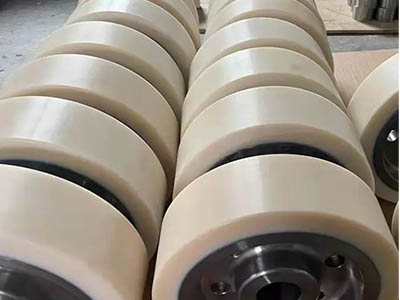
Modified Polyurethane Wheels: The Choice for Heavy-Duty Industrial Applications
03 Aug,2026Explore the science behind high-performance modified polyurethane wheels. Maximize industrial efficiency, load capacity, and equipment lifespan with custom solutions.
How Anti-Coning Load Wheels Extend Forklift Lifespan
03 Aug,2026Prevent forklift tire coning and reduce maintenance costs with advanced anti-coning sectional load wheels. Engineered for high-intensity warehousing fleets.
Polyurethane Forklift Wheels: The Ultimate Guide
03 Aug,2026Polyurethane forklift guide wheels manufactured at our state of the art in-house machine shop are made from first-class polyurethane materials purchased from globally renowned chemical producers.
Polyurethane Wheels on Trucks: A Key Choice
03 Aug,2026Discover why heavy-duty polyurethane wheels are the top choice for industrial trucks and logistics. Explore key benefits like durability, load capacity, and chemical resistance.