Custom Polyurethane
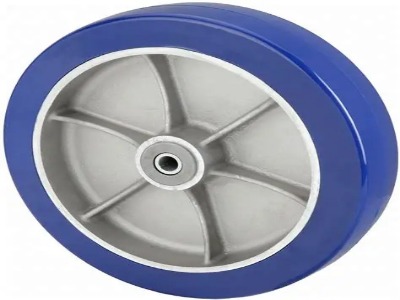
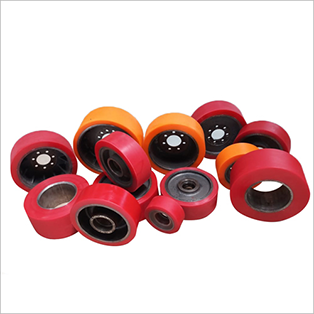
Industrial Floor Protection Polyurethane Casters Wheels
Project Details
-
- Category Custom Polyurethane
- Author Philson
- WhatsAPP +86 19941574798
- Email sale06@kfqizhongji.com
- Location No.19 Electronic Information Industrial Park, Anfeng Town, Dongtai City, Jiangsu, China
In heavy-duty industrial applications, traditional metal casters are increasingly being replaced by high-performance polyurethane (PU) casters due to their physical properties. The following is a comparative analysis of the two materials in practical applications.
I. Limitations of Traditional Metal Casters
1. Physical Damage to Floors
Due to their extreme hardness, metal casters can cut or scratch soft floor surfaces, coatings, or epoxy resins under heavy loads. When stationary for extended periods, the concentrated pressure from metal wheels often causes permanent indentations, compromising the structural integrity of the flooring.
2. Secondary Pollution
During operation, friction between metal and the floor generates fine metal dust or debris. In environments with high cleanliness requirements, this contamination is difficult to remove and may negatively impact product quality.
II. Technical Advantages of Polyurethane Casters
1. Floor Protection Performance
Polyurethane is an elastic material that effectively disperses pressure and provides a cushioning effect upon contact with the ground. This characteristic prevents scratches and indentations, significantly extending the service life of industrial flooring.
2. Non-Marking and Cleanliness Guarantee
Specially formulated polyurethane casters do not leave black marks during operation. This feature makes them suitable for industries with strict environmental cleanliness standards:
Food and Pharmaceutical Industries: Meets GMP environmental standards.
Electronics Cleanrooms: Reduces micro-dust generation to protect precision manufacturing environments.
Logistics and Commercial Centers: Maintains floor aesthetics and reduces long-term cleaning and maintenance costs.
III. Industry Application Trends
As companies raise their standards for asset maintenance, operational safety, and environmental compliance, polyurethane casters have become a standard configuration for heavy-duty industrial equipment. The adoption of this material reflects the evolution of industrial components toward durability, environmental friendliness, and sustainability.
If you have specific technical requirements or project inquiries, please contact our technical team. We provide professional high-load support solutions tailored to your needs. Contact us!
Latest News & Blog
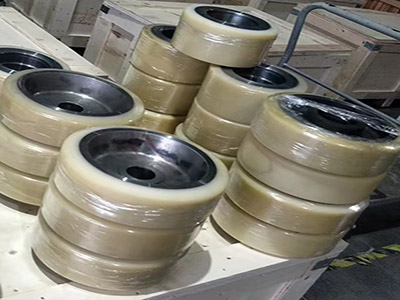
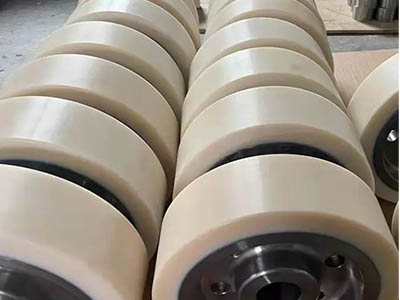
Modified Polyurethane Wheels: The Choice for Heavy-Duty Industrial Applications
03 Aug,2026Explore the science behind high-performance modified polyurethane wheels. Maximize industrial efficiency, load capacity, and equipment lifespan with custom solutions.
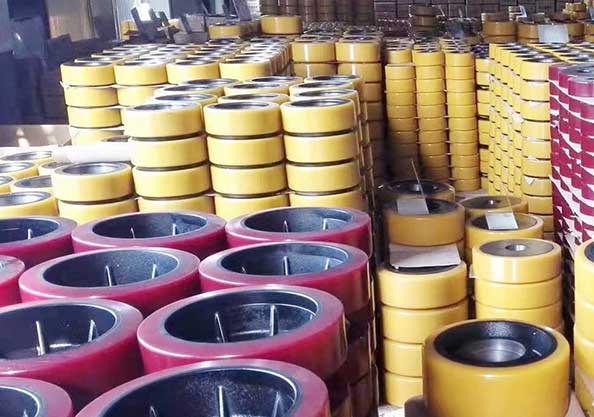
How Anti-Coning Load Wheels Extend Forklift Lifespan
03 Aug,2026Prevent forklift tire coning and reduce maintenance costs with advanced anti-coning sectional load wheels. Engineered for high-intensity warehousing fleets.
Polyurethane Forklift Wheels: The Ultimate Guide
03 Aug,2026Polyurethane forklift guide wheels manufactured at our state of the art in-house machine shop are made from first-class polyurethane materials purchased from globally renowned chemical producers.
Polyurethane Wheels on Trucks: A Key Choice
03 Aug,2026Discover why heavy-duty polyurethane wheels are the top choice for industrial trucks and logistics. Explore key benefits like durability, load capacity, and chemical resistance.