Polyurethane VS Rubber Wheels
Polyurethane and rubber are two commonly used materials in wheel manufacturing, each with distinct characteristics. Polyurethane is a synthetic material known for its excellent abrasion resistance and tear strength, making it suitable for high-load and high-wear applications. In contrast, rubber, whether natural or synthetic, offers superior elasticity, providing good traction and shock absorption, although it generally falls short in durability compared to polyurethane wheels.
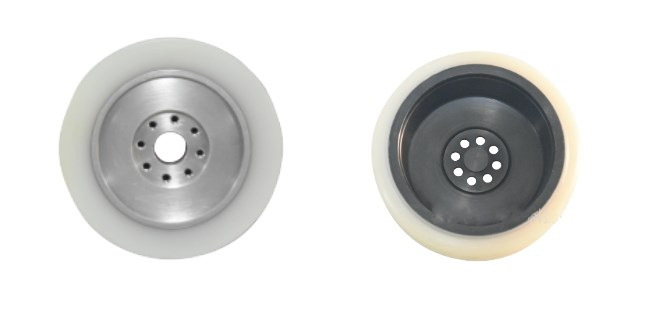
The following table summarizes the key differences between polyurethane and rubber wheels:
Feature | Polyurethane Wheels | Rubber Wheels |
Abrasion Resistance | Excellent | Good |
Tear Strength | Excellent | Moderate |
Elasticity | Moderate | Excellent |
Traction | Good | Excellent |
Lifespan | Longer | Shorter |
Teamperature Range | Wide | Narrow |
Polyurethane-coated wheels are widely used across various industries, particularly in logistics, warehousing, and manufacturing. They can withstand heavy loads while maintaining performance in high-wear environments. For instance, forklifts and material handling equipment often utilize polyurethane wheels to improve efficiency and reduce maintenance costs.
Moreover, the advantages of polyurethane wheels include reduced noise levels, a smooth rolling experience, and excellent chemical resistance. These attributes make polyurethane wheels an ideal choice for many industrial applications. In summary, opting for polyurethane wheels can enhance overall equipment performance and longevity, proving to be a valuable investment for industries requiring durability and reliability.