Applications of Polyurethane Wheels in OHT System
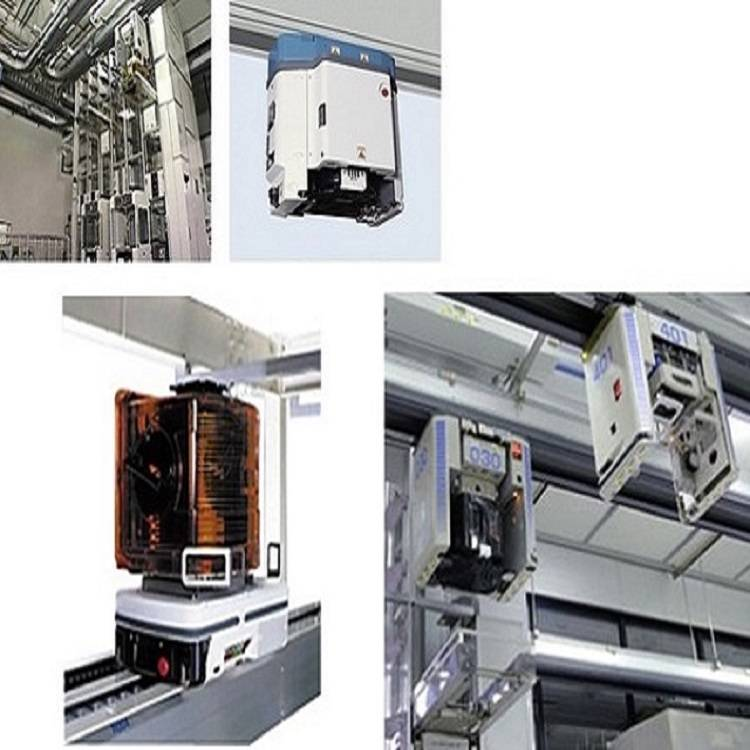
The introduction of polyurethane (PU) wheels into Overhead Hoist Transport (OHT) systems has brought transformative improvements to the material handling industry. Known for their exceptional durability, noise reduction, and floor-friendly characteristics, PU wheels significantly enhance both the operational efficiency and functional versatility of OHT systems across a wide range of demanding environments. This article explores the key applications of PU wheels within OHT systems and underscores their growing importance in supporting high-precision, high-throughput industrial operations.
Polyurethane Wheels: An Overview
Polyurethane wheels are engineered to deliver an optimal balance of toughness, elasticity, and resistance to abrasion, oils, and chemicals. Unlike traditional rubber or metal wheels, PU wheels provide superior load distribution, reduced vibration, and minimal rolling resistance—attributes that are crucial for the smooth and reliable functioning of automated transport systems. These properties make them particularly suitable for use in OHT systems, where precision movement, cleanliness, and minimal maintenance are paramount.
Semiconductor Manufacturing
In semiconductor fabrication facilities, even microscopic contaminants can compromise product integrity. PU wheels are integral to the OHT systems that transport wafers, reticles, and other sensitive components. Their non-marking, non-shedding properties help maintain ultra-clean manufacturing conditions, while their smooth and quiet operation prevents vibration-induced damage to delicate structures.
Automotive Assembly Lines
OHT systems equipped with PU wheels are widely deployed in automotive plants for moving engines, transmissions, and body modules along assembly tracks. The high load-bearing capacity of PU wheels—often supporting several tons—combined with their shock-absorbing nature, safeguards both components and flooring from impact damage. Furthermore, their resistance to oils and greases commonly found in automotive environments extends service life and reduces downtime.
Warehousing and Logistics
Modern automated storage and retrieval systems (AS/RS) rely on OHT vehicles fitted with PU wheels to transport goods quickly and quietly through high-bay warehouses. The low noise output of PU wheels contributes to a better working environment, while their high wear resistance ensures long-term reliability under continuous operation, reducing the frequency of replacements and maintenance interventions.
Pharmaceutical and Biotechnology Applications
In sectors where sterility and contamination control are critical, PU wheels offer clear advantages. They are easy to clean, resistant to disinfectants, and do not generate particulate debris. OHT systems using PU wheels can safely transport raw materials, intermediates, and finished products through classified zones without risking cross-contamination.
Food and Beverage Processing
Hygiene is a non-negotiable priority in food and beverage production. PU wheels are favored in these settings because they do not mark floors or absorb moisture, and they can withstand repeated washing with steam or aggressive cleaning agents. This makes them ideal for OHT systems operating in cold storage, processing areas, and packaging halls.
Aerospace and Defense Manufacturing
The aerospace sector depends on OHT systems to handle large, high-value components such as fuselage sections, wing assemblies, and engine parts. PU wheels provide the necessary strength, precision, and floor protection to support these operations. Their ability to perform consistently under heavy loads and in controlled environmental conditions makes them a reliable choice for critical manufacturing processes.
Medical Equipment Production
In the production of medical devices and diagnostic equipment, cleanliness and precision are equally important. PU-wheeled OHT systems facilitate the safe movement of sensitive apparatus without introducing contaminants or causing vibration-related alignment issues. The combination of load capacity, cushioning, and cleanliness ensures that high-value medical products are assembled and transported under optimal conditions.
Conclusion
The application of polyurethane wheels in Overhead Hoist Transport systems spans a broad spectrum of industries—from semiconductors and pharmaceuticals to automotive and aerospace. By offering an unmatched blend of durability, operational smoothness, and environmental compatibility, PU wheels have established themselves as a vital component in the evolution of intelligent material handling solutions. As OHT systems continue to advance, the role of polyurethane wheels will only grow in significance, driving further gains in productivity, safety, and system longevity.